About Us
Gateway Feeds & Farms
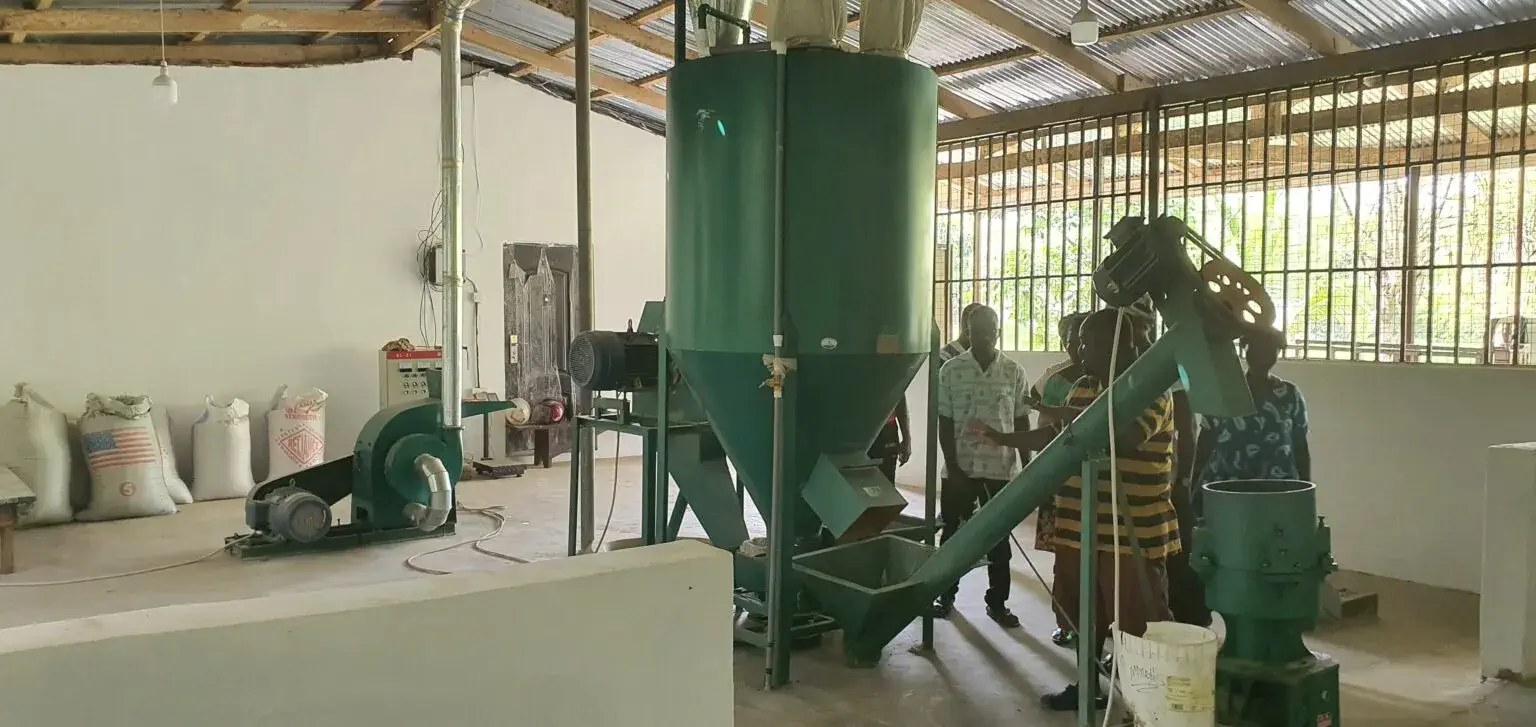
Founded in 2020, Gateway Feeds and Farms (GFF) is a progressive social enterprise dedicated to transforming Ghana’s agriculture industry and improving the livelihoods of farming communities. GFF works closely with farmers engaged in crop, poultry, and livestock production, providing practical support, technical expertise, and access to reliable inputs. By focusing on sustainable and innovative solutions across the entire agricultural value chain, GFF helps farmers increase productivity, reduce waste, and adopt climate-smart farming practices. From sourcing quality feed and seeds to offering training, advisory services, and market linkages, GFF aims to build a more resilient, efficient, and inclusive agricultural ecosystem in Ghana. Through these efforts, Gateway Feeds and Farms is helping to unlock the full potential of local agriculture and contribute to long-term food security and economic growth.
Mission: To empower farmers through quality feed, agricultural inputs, technical support and innovative solutions that improve productivity, profitability and sustainability.
Vision: To become a premier African agribusiness advancing food security, economic development and sustainable agriculture.
Development Impact
Gateway Feeds and Farms is designed as a socially and environmentally responsible enterprise. Its main development impacts include:
Increasing smallholder farmer incomes by providing fairer market access, better prices, and demand for their agricultural by-products.
Reducing agricultural waste and environmental pollution by transforming crop residues and agro-waste (such as cassava peels, maize bran, and rice husks) into valuable feed products.
Improving access to markets through digital technology by leveraging an online platform that connects farmers directly to buyers across Ghana.
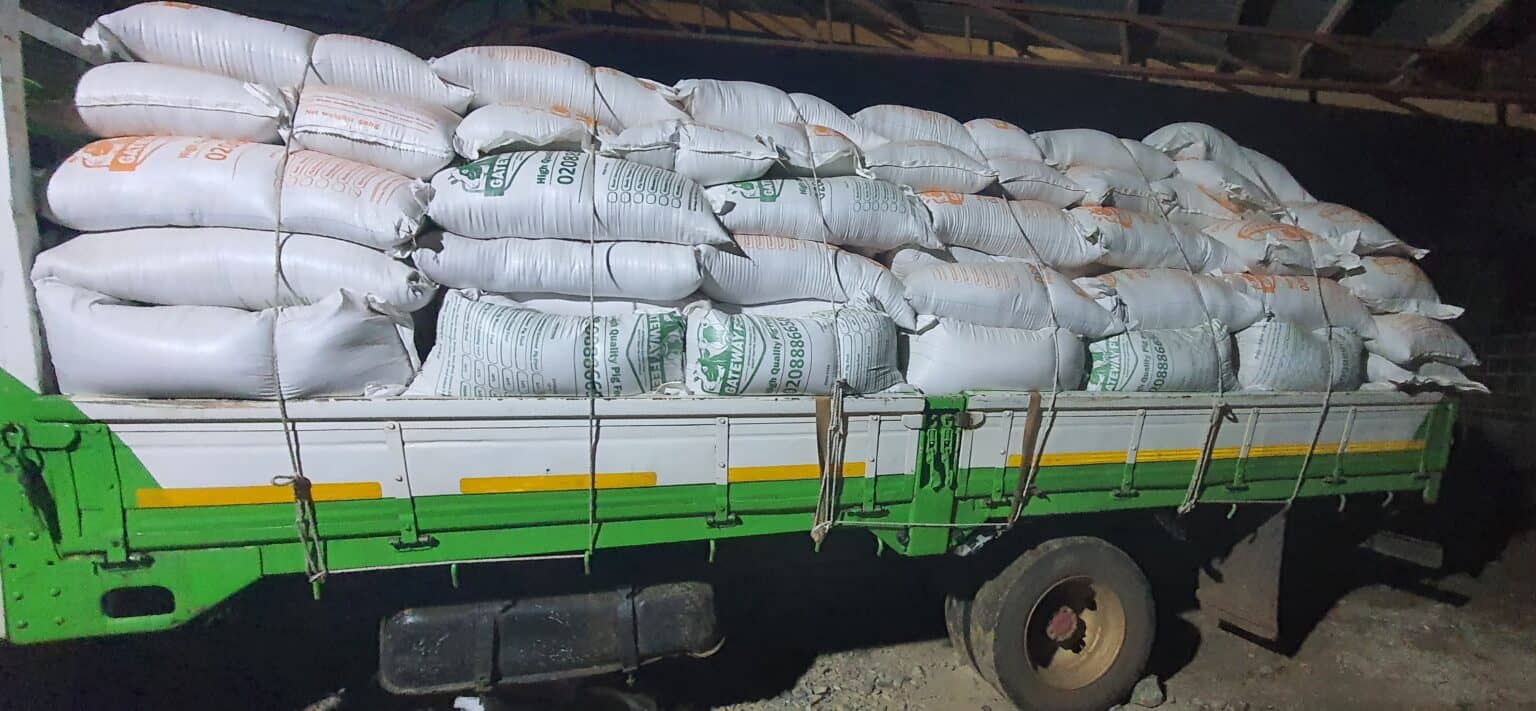
Increasing the availability of affordable livestock feed, enabling farmers to reduce production costs, improve productivity, and support food security.
Sustainable Development Commitment:
GFF’s work is aligned with the United Nations Sustainable Development Goals, focusing on:
- No Poverty
- Zero Hunger
- Gender Equality
- Decent Work & Economic Growth
- Climate Change Adaptation
Why GFF:
GFF utilises its expertise, strategic partnerships, and grassroots programmes to support farmers in optimising resource use, overcoming challenges, and achieving lasting success. Emphasising female and youth empowerment, waste-to-feed innovations, and training, GFF sets the standard for sustainable agriculture in rural Ghana.
Key Problems we are Solving
- Wasted agricultural by-products: Locally available residues such as maize bran, cassava peels, and rice husk are underutilised, leading to lost economic value and environmental harm.
- High and unstable feed costs: Livestock and poultry farmers face expensive, often inconsistent access to quality feed due to dependence on imports and inefficient local supply chains.
- Low productivity and incomes for farmers: Limited access to affordable, nutritious feed and weak market access reduce animal performance, farm profitability, and rural livelihoods.
- Poor market access for smallholders: Fragmented, intermediary-controlled marketing channels and lack of reliable market information keep farm-gate prices low and post-harvest losses high.
- Environmental degradation and climate vulnerability: Improper management of agricultural residues and limited use of climate-smart practices (such as biochar) contribute to soil degradation, greenhouse gas emissions, and low climate resilience.
- Lack of integrated, sustainable solutions: There is no comprehensive model that simultaneously tackles feed scarcity and cost, waste management, digital market access, and environmental sustainability for Ghana’s smallholder farmers.
Core Values
- Sustainability: We promote environmentally friendly practices by efficiently utilising agricultural by-products and waste.
- Innovation: We harness technology and local knowledge to develop practical, impactful solutions for farmers.
- Inclusiveness: We prioritise smallholder farmers, rural communities, and marginalised groups across our value chains.
- Quality: We ensure that our products and services are consistent, reliable, and safe for all customers and partners.
- Integrity: We conduct our business with transparency, fairness, and accountability.
- Respect: We treat everyone with dignity and honour their contributions, with fairness and accountability.